
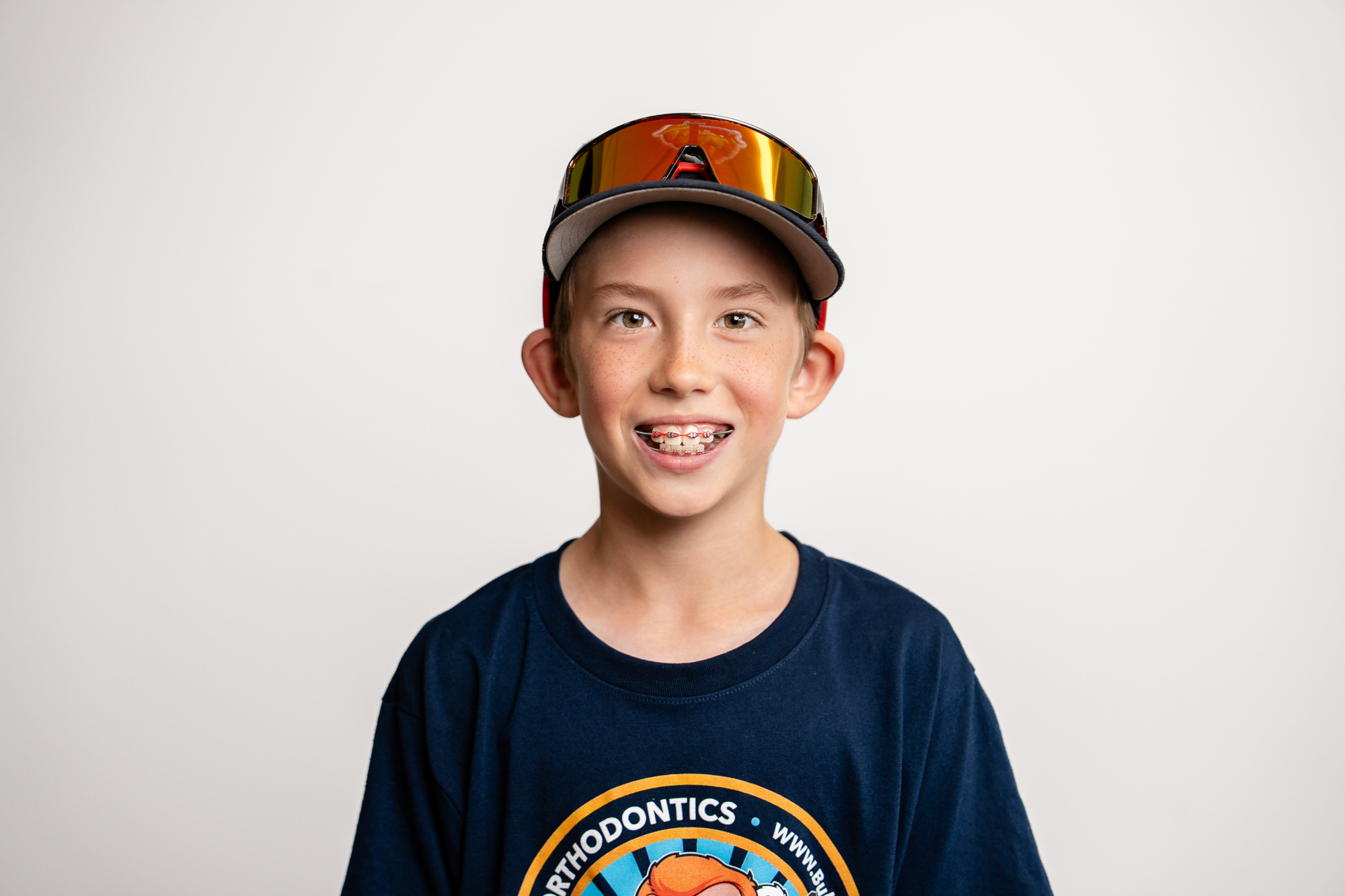
Wondering when to schedule that first orthodontic visit for your child? You’re asking the right question at the right time. Knowing when your child should see an orthodontist is one of the smartest steps you can take for their long-term dental health, and at Bull Mountain Orthodontics in Tigard, the timing we recommend surprises a lot of parents.
When Should Your Child First See an Orthodontist?
The American Association of Orthodontists (AAO) recommends that every child have a first orthodontic evaluation by age 7. That may sound early, but there’s a good reason for it. By age 7, your child’s first adult molars and front incisors have typically erupted, giving Dr. Willcox a clear look at how the bite is developing and whether spacing patterns are on track.
Here’s the reassuring part: an early evaluation rarely means early treatment. In most cases, children are simply monitored as they grow. You don’t need a referral from your dentist to schedule with an orthodontist, either.
At Bull Mountain Orthodontics, first consultations for children are always free. That means you can bring your child in, get expert answers and leave with a plan, all with no commitment.
How an Early Orthodontic Evaluation Works
The first visit is relaxed, informative and pressure-free. Here’s what to expect:
- Digital photos and a panoramic X-ray. These images help Dr. Willcox assess tooth development, root positioning and jaw growth patterns that aren’t visible on the surface.
- A clinical exam. Dr. Willcox checks your child’s bite, tooth alignment, spacing and oral habits like thumb sucking or mouth breathing that can influence dental development.
- A plain-language review with parents. You’ll hear exactly what’s happening, what to watch for and whether any next steps are recommended.
After the exam, there are three possible outcomes:
- No treatment needed. Everything looks great, and no follow-up is required.
- Monitoring with periodic re-evaluations. Your child returns every 6 to 12 months so Dr. Willcox and our team can track growth and step in at exactly the right moment if needed.
- Begin early (Phase 1) treatment. If a specific issue is best addressed now, a targeted plan is created.
The goal of that first visit isn’t to sell you on treatment. It’s to give you clear, honest information about your child’s development so you can make confident decisions as they grow.
Benefits of Seeing an Orthodontist Early
Early evaluation isn’t about rushing into braces. It’s about spotting opportunities to guide growth naturally, while the jaw and facial bones are still developing. Here’s what early orthodontic care can accomplish:
- Guides jaw growth while bones are still developing. Directing growth during childhood can reduce or eliminate the need for jaw surgery later in life.
- Corrects harmful oral habits. Thumb sucking, tongue thrusting and chronic mouth breathing can reshape the developing bite. Catching these early makes correction much simpler.
- Creates space for permanent teeth. When there isn’t enough room for adult teeth to erupt properly, early intervention can reduce crowding and often prevent extractions down the road.
- Fixes crossbites and severe bite issues during peak growth windows. Crossbites, deep overbites and underbites respond best when treated while a child is still growing.
- Supports speech, chewing and breathing. Proper alignment supports clearer speech, easier chewing and healthier breathing habits, all of which matter for daily life.
- Builds confidence during formative years. A healthy, aligned smile helps kids feel great about themselves during the years when self-image is taking shape.
Early evaluation gives your family the gift of time. When issues are caught early, treatment options are wider, gentler and often shorter overall.
Phase 1 vs. Phase 2 Orthodontic Treatment
When early treatment is recommended, it’s typically delivered in two stages. Understanding the difference helps you know what to expect at each age.
| Feature | Phase 1 (Interceptive) | Phase 2 (Comprehensive) |
|---|---|---|
| Typical Age | 6 to 10 years | 11 to 14+ years |
| Primary Goal | Guide jaw growth and address specific developmental issues | Align all permanent teeth and finalize the bite |
| Duration | Usually under a year | 12 to 24 months on average |
| Common Appliances | Palatal expanders, partial braces, space maintainers, habit appliances | Full braces or Invisalign Teen® |
| Who It’s For | Children with specific growth or bite concerns | Teens ready for complete alignment treatment |
Phase 1 focuses on interceptive care. If your child has a narrow upper jaw, a crossbite, significant crowding or a habit that’s affecting development, a short round of early treatment can create a healthier foundation. It’s not meant to straighten every tooth. It’s meant to address specific issues at the ideal biological moment.
Phase 2 is the complete alignment stage. Once most permanent teeth have erupted, full braces or Invisalign Teen® finish the work by aligning all teeth and perfecting the bite.
Here’s an important truth: not every child needs Phase 1 treatment, and many children don’t. For most kids, monitoring is all that’s needed until they’re ready for standard treatment as a teen. Bull Mountain Orthodontics offers two-phase treatment when it’s clinically appropriate, and Dr. Willcox will only recommend it if there’s a clear developmental reason.
Warning Signs Your Child Needs to See an Orthodontist
Not sure if it’s time to schedule that first visit? Here are the signs that mean an orthodontic evaluation is worth booking soon:
- Crowded, overlapping or noticeably misaligned teeth as permanent teeth start coming in
- A visible overbite, underbite, crossbite or open bite when your child’s teeth are closed
- Difficulty chewing, biting or speaking clearly
- Mouth breathing, chronic snoring or ongoing thumb sucking past age 5
- Baby teeth that fell out very early or are holding on much longer than expected
- Jaw shifting, clicking or popping sounds when your child opens or closes their mouth
- Protruding front teeth, which can raise the risk of injury during sports or play
Even one of these signs is a good reason to book a free consultation. Dr. Willcox and our team will let you know if action is needed now or if monitoring is the right call.
Frequently Asked Questions
What is the best age for kids to get braces?
Most active orthodontic treatment begins between ages 10 and 14, once most permanent teeth have erupted. However, the AAO recommends the first orthodontic evaluation by age 7 so any developing issues can be caught early. The best age depends entirely on your child’s individual growth and dental development.
Is 7 years old too early for braces?
Age 7 is the recommended age for evaluation, not typically for braces. Active treatment at this age is uncommon. Most 7-year-olds are simply monitored during growth. If early (Phase 1) treatment is recommended, it usually involves targeted appliances like expanders rather than a full set of braces.
Does my 8-year-old really need an expander?
A palatal expander is only recommended when there’s a specific clinical reason, such as a narrow upper jaw, a crossbite or significant crowding that will affect erupting permanent teeth. If Dr. Willcox recommends an expander, you’ll receive a clear explanation of why it’s the right choice and what results to expect.
Do I need a referral from my dentist?
No referral is needed. Parents can schedule directly with an orthodontist at any time. Many families come in on their own after noticing something they’d like checked, and others are referred by their dentist. Either way, you can book a free consultation whenever you’re ready.
What’s the difference between a pediatric dentist and an orthodontist?
A pediatric dentist focuses on your child’s overall oral health, including cleanings, cavities and preventive care. An orthodontist specializes in tooth alignment and bite correction and completes two to three additional years of specialty training after dental school. Both play important roles, and they often work together to support your child’s smile. Our guide to choosing an orthodontist covers more of what to look for.
Ready to Schedule Your Child’s First Visit?
If your child is approaching age 7 (or older) and hasn’t had an orthodontic evaluation yet, now is a great time to book. Dr. Bryce Willcox and our team welcome kids of all ages with a fun, welcoming atmosphere designed to make first visits feel easy and even enjoyable.
Bull Mountain Orthodontics proudly serves families throughout Tigard, Lake Oswego, Beaverton and Portland. Schedule your child’s free consultation today and let’s discover your child’s best smile together.